

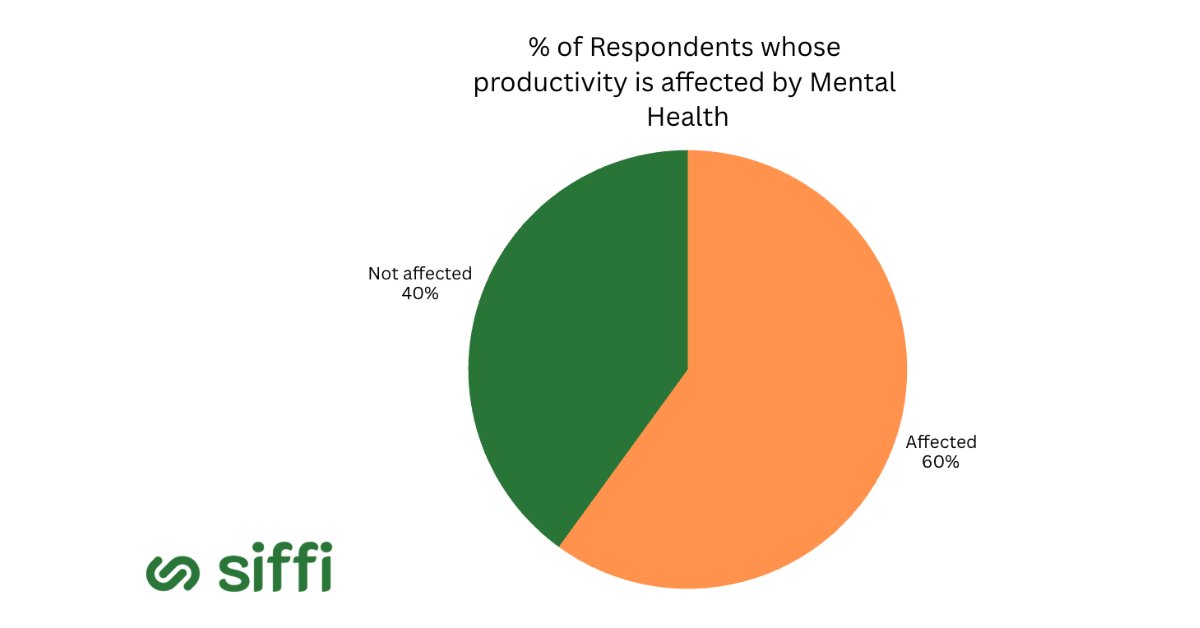
According to the European Occupational Health and Safety Pulse 2025: Mental health at work
Over a third of respondents also believed that their work or workplace environment contributed directly to their symptoms.
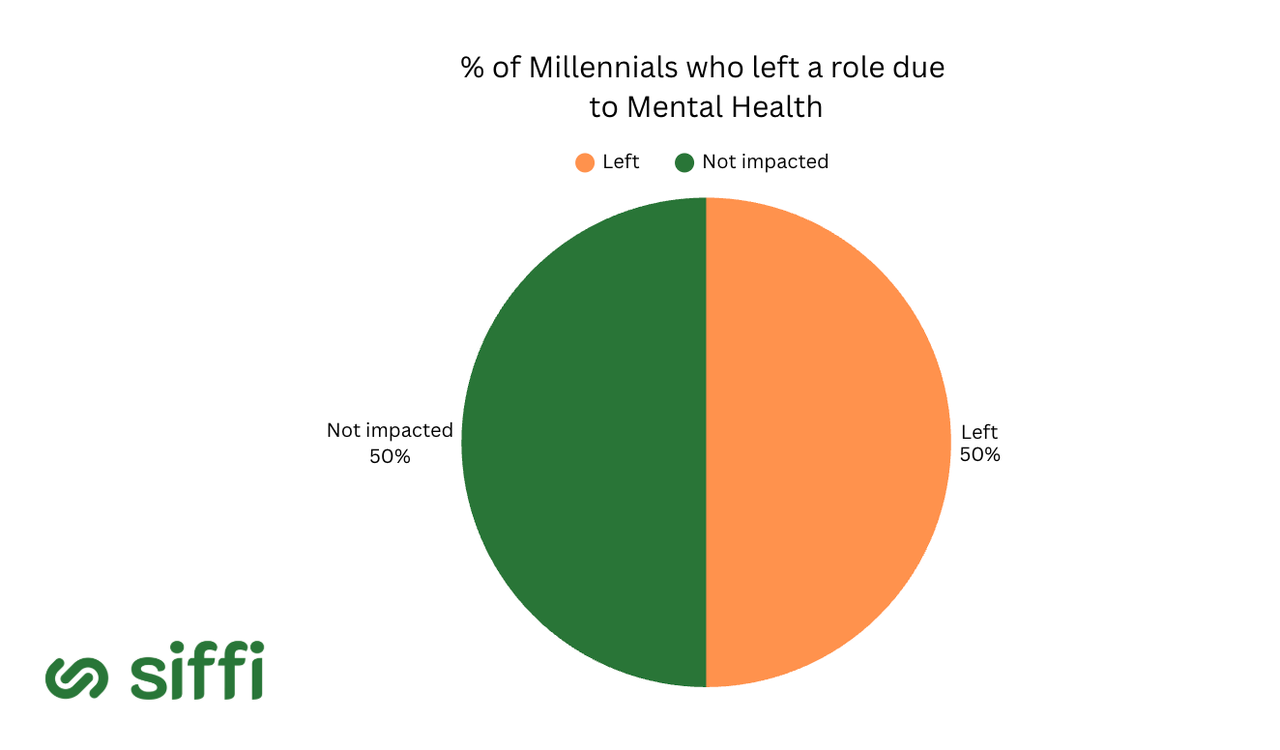
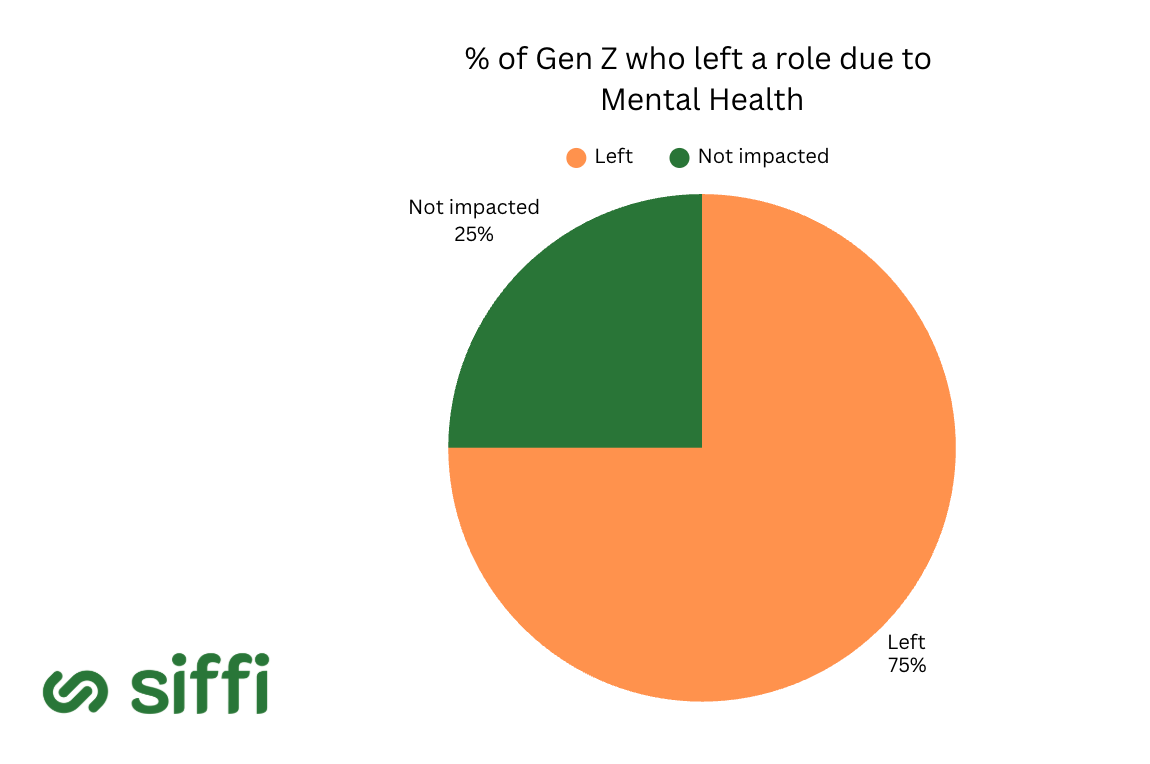
We deliberately start this piece with strong statistics to underscore the weight mental health carries in the professional sphere.
Companies, large and small, should have a mental health strategy for employees in 2026. As the year begins, here are five trends every HR leader should keep an eye on.
Instead of waiting for employees to reach burnout, leading organisations are embedding resilience into everyday work life.
This includes guided mindfulness, no-meeting days, and short renewal breaks that help teams reset before pressure builds.
The results are hard to ignore. According to Deloitte’s Mental Health at Work Report 2025, companies introducing early wellbeing interventions saw productivity gains of 15–20%, mainly through reduced absenteeism and improved focus.
Research from the McKinsey Health Institute finds that organizations that actively invest in employee health and wellbeing see significantly higher levels of engagement and better work outcomes than those that do not.
For employers, the next step is not another wellbeing perk but cultural integration. That means training managers to recognise early signs of overwhelm, revisiting policies that protect focus time, and introducing tools such as daily mental fitness check-ins that help employees track resilience over time.
By making wellbeing proactive and measurable, companies can turn mental health into a strategic advantage.

2026 marks a turning point in workplace wellbeing technology. From smart triage and customised care pathways to automated workload insights, AI is helping HR teams scale support without losing the human touch.
The demand is clear. According to Deloitte’s Global Human Capital Trends 2025, 70% of business leaders say they plan to invest in AI‑powered wellbeing tools, even while acknowledging widespread “AI anxiety.” This cautious optimism reflects a shift from fear to function. Leaders now see AI as essential for understanding employee needs in real time and freeing humans to focus on empathy and connection. Research supports this hybrid approach.
Research from the McKinsey Health Institute indicates that AI-human blended models in mental health can improve the efficiency of care delivery and engagement by up to 30% by supporting non-specialist providers. Furthermore, a Harvard Business Review article from 2024 analyzes that AI can enable “task-shifting,” allowing non-specialist frontline workers to perform tasks that previously required highly trained experts... effectively expanding the reach of high-quality care to communities that have historically been sidelined.
AI will not replace human connection. Instead, it is reshaping therapy through blended models that combine in-person sessions with digital tools such as apps, online modules, and video calls.
The winning formula for 2026 is clear: AI for scale, humans for empathy.
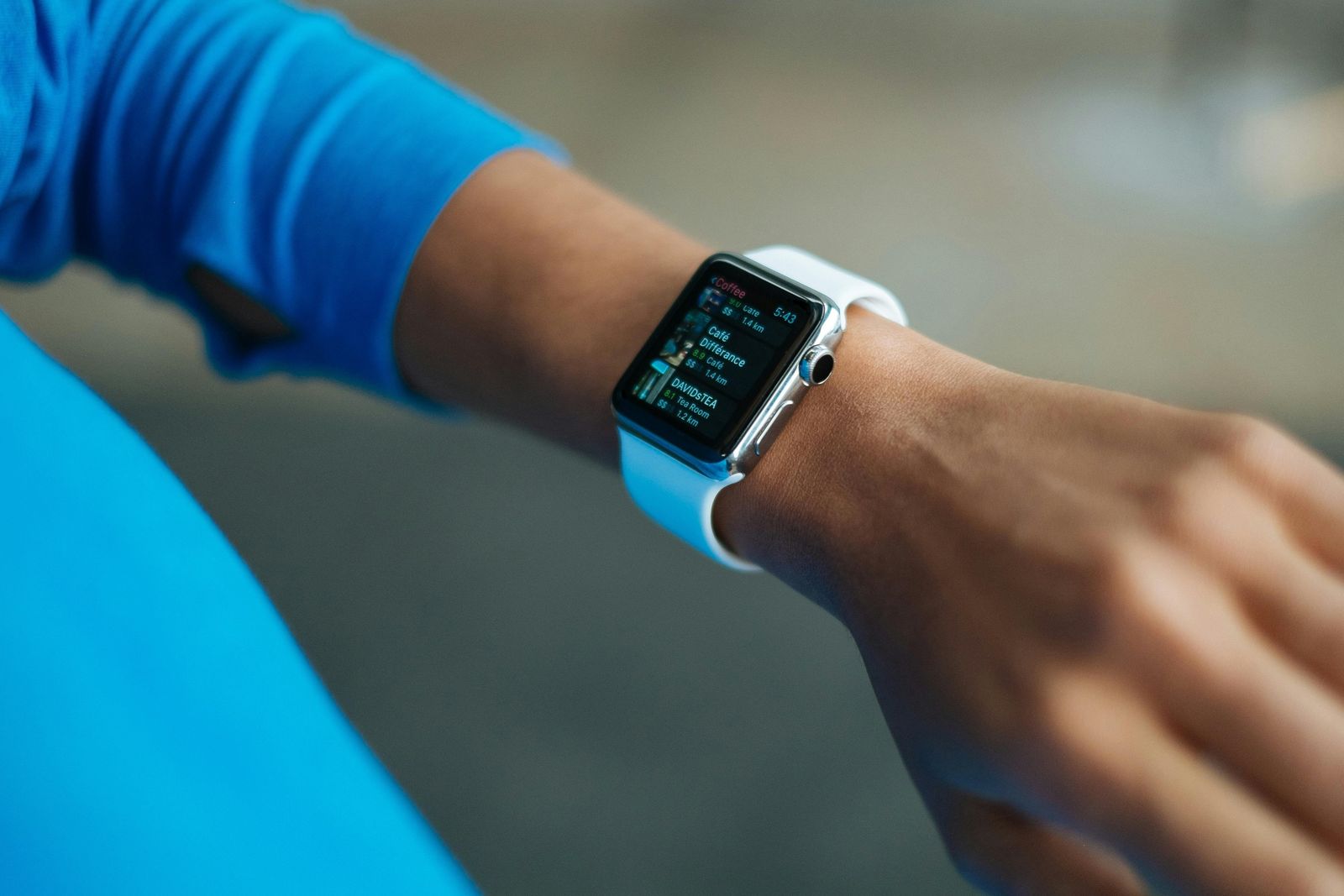
As the cost‑of‑living crisis stretches on, financial stress has quietly become one of the biggest drivers of workplace burnout. Worry about debt, housing, and day‑to‑day expenses is now bleeding into productivity and mental health, prompting employers to treat money anxiety not as a private matter but as a core wellbeing issue.
The data show the urgency. PwC’s Global Workforce Hope and Fears Survey found that 55% of the workforce experiencing financial strain and that employees under financial pressure are less trusting or motivated.
In response, more employers are expanding health benefits to include financial counselling, according to Mercer’s Survey on Health and Benefit Strategy for 2026, Similarly, CIPD’s Health and Wellbeing at Work 2024 report highlights money concerns as a top emerging cause of burnout and presenteeism.
Forward‑thinking organisations are now blending financial wellbeing with broader emotional health programs by creating holistic modules that address money management, stress regulation, and long‑term resilience together.
When mental and financial health are supported in tandem, wellbeing moves from reactive care to sustainable prevention.

The wellbeing conversation is expanding beyond mental health to encompass neurodiversity and inclusive care. As awareness grows around ADHD, autism, menopause, or caregiving challenges, forward‑thinking employers are recognising that a one‑size‑fits‑all wellbeing program no longer works. Teams are naturally diverse in how they process information, manage energy, and balance life responsibilities, and workplace support must reflect that.
Deloitte’s disability and inclusion at work survey 2024 shows that one-quarter of respondents who have disclosed their disability, neurodivergence or health condition at work have requested accommodations. Of those, 74% have had at least one request rejected; almost two in 10 have had all their requests rejected.
Other researches have shown that inclusive wellbeing initiatives such as menopause support, neurodivergent‑friendly coaching, and caregiving flexibility are strongly associated with improved retention. Case studies of inclusive employers show reductions in turnover risk of 30–50% or more, particularly where these benefits are part of a broader culture of belonging.
The next evolution in workplace wellbeing involves tailored options that adapt to an employee’s unique context and needs, rather than relying on generic tools. That might mean configurable mindfulness programs for neurodivergent focus patterns, access to resources on menopause and hormonal health, or flexible scheduling for caregivers. In 2026, inclusion isn’t an add‑on; it’s the foundation for healthier, more resilient, and more creative teams.

Hybrid and remote work continue to define the modern workplace, creating a new challenge: building resilience across distributed teams.
While flexibility has boosted satisfaction for many, it has also created new challenges, uneven workloads, digital fatigue, and blurred work‑life boundaries. These pressures are contributing to rising mental health‑related leave and a growing demand for wellbeing solutions that can reach people, wherever they are.
According to Gallup’s State of the Global Workplace 2025, employees working remotely or in hybrid setups are 1.6 times more likely to report daily stress than those fully on‑site.
Microsoft’s Work Trend Index 2025 similarly notes that digital overload has driven a 32% increase in mental health leave among hybrid employees since 2023. Meanwhile, 2025 Deloitte in Global Human Capital Trends, highlights that organisations embedding wellbeing into their culture experience 10% higher retention rates and report up to 20% higher productivity.
The solution lies in enabling anywhere‑access wellbeing, cultural and language affinity, and real‑time visibility. Employers are turning to digital platforms that combine guided mental fitness tools, adaptive support modules, and ROI dashboards to assess impact and guide resource decisions. In a world where work happens everywhere, resilience must too.

The wellbeing conversation continues to evolve. In 2026, success is not about adding more perks but building systems that protect mental fitness, inclusion, and resilience at scale.
Employers ready to move forward can begin with five practical steps:
The message for 2026 is clear: workplace wellbeing must be proactive, data-informed, and human-centred.
By adopting early prevention, intelligent personalisation, holistic stress management, inclusion initiatives, and measurable hybrid support, organisations can reshape the relationship between wellbeing and work itself.
The result is not just healthier employees, but stronger and more adaptive organisations prepared for the realities of the modern workplace.

Psychology Content Writer at Siffi
Morgane crafts compassionate, engaging content that makes mental health conversations more human and accessible. At Siffi, she combines storytelling with strategy to foster a culture of care and connection in the workplace.