

The speed of stress: Managing anxiety in high-velocity workplaces

Managing Anxiety in High-Velocity Workplaces

In today’s always-on culture, speed has become a proxy for success. But when the pace of business is faster than our ability to process stress, the result isn’t just burnout, it’s an organisational fault.

We have seen in previous pieces that workplace stress and anxiety are now linked to measurable drops in productivity. For HR leaders, tackling anxiety is no longer a wellbeing perk; it’s a core strategy for sustainable performance.

1. Identifying the Triggers: Why Fast-Paced Environments Breed Anxiety?

To solve the problem, we first need to understand what drives anxiety in high-pressure environments. In fast-growing organisations or competitive industries, anxiety often emerges from three systemic forces:

  • Ambiguity and “Pivot Fatigue.” Constant changes in direction without a clear reason can leave employees feeling as though they are building on unstable ground.
  • Perpetual Urgency. When everything is labelled “high priority,” the brain remains in a constant fight-or-flight mode, eventually leading to cognitive exhaustion and lower performance.
  • Hyper-Connectivity. The expectation of instant replies on Slack, Teams, or email erodes the mental boundaries required for deep work and recovery.

When these factors combine, they often produce what clinicians call anticipatory stress: anxiety that appears before a problem even occurs. Employees become hyper-vigilant, using energy to scan for new priorities instead of focusing on their current work. This can lead to reduced concentration, slower task completion, and more frequent mistakes.

Over time, this constant alert state damages focus, creativity, and trust within teams.

For HR leaders, the first step is naming these triggers openly within organisations. Once employees can recognise what is happening, they can begin to adjust how they respond.

2. Actionable Coping Strategies for Employees

While systemic changes require time, HR teams can empower employees with practical tools: small habits that make the workday more manageable and human.
  • The Rule of Three. Encourage employees to identify three non-negotiable wins each day. This improves focus, reinforces progress, and reduces the “never finished” feeling that fuels anxiety. Prioritisation techniques like this are strongly linked to increased perceived control, a major buffer against workplace stress.
  • Tactical Breathing. Physiological calm often comes before mental calm. Simple resets such as Box Breathing (inhale for 4 seconds, hold for 4, exhale for 4, hold for 4) can regulate the nervous system in just a few minutes and support clearer thinking under pressure.
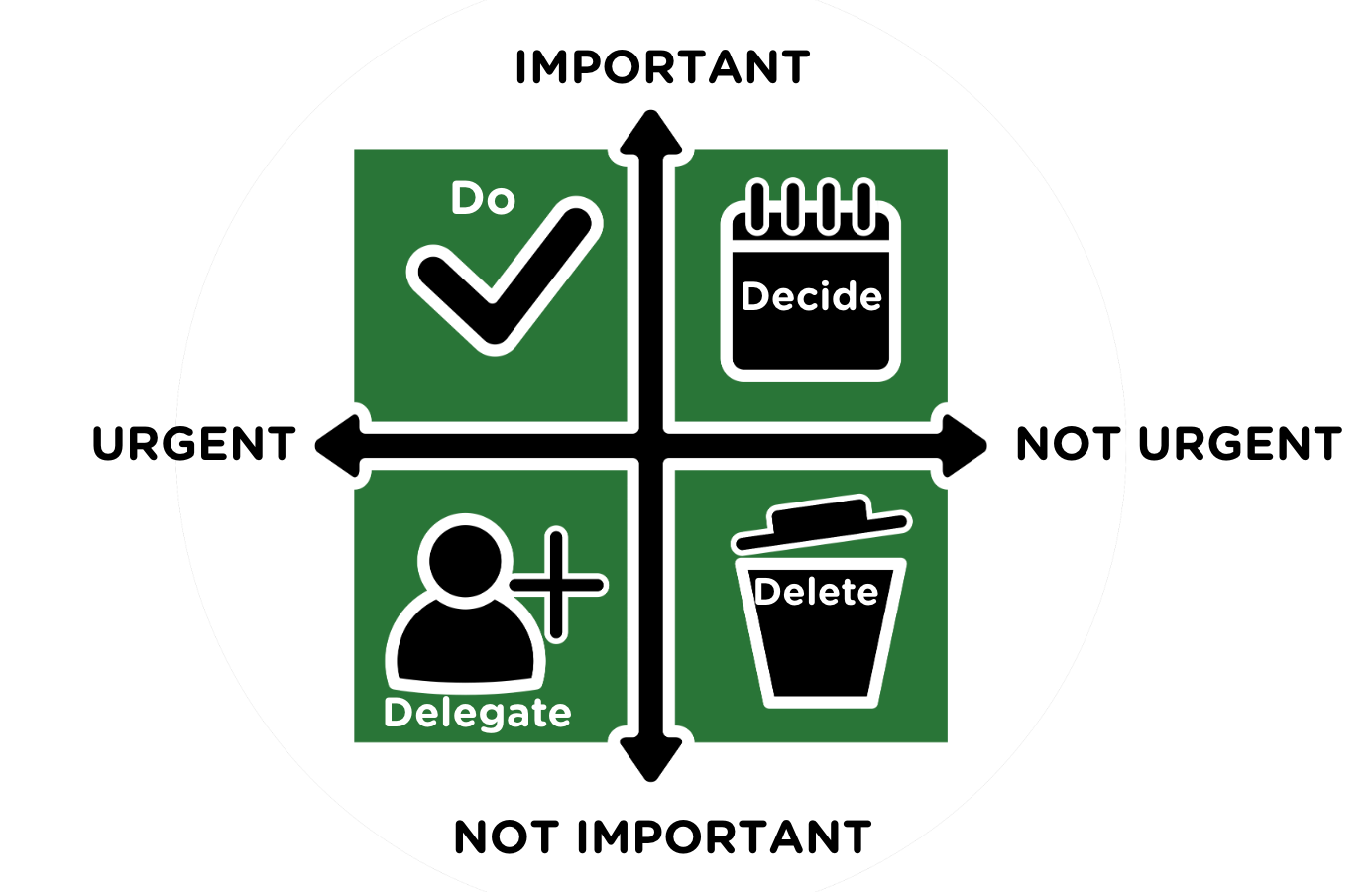
  • Radical Prioritisation. Using the Eisenhower Matrix helps distinguish between tasks that are truly important and those that are merely urgent. Research shows that structured prioritisation frameworks reduce stress, improve decision-making efficiency, and increase employees’ sense of control over their workload.

Even introducing one or two of these micro-habits can reshape the emotional rhythm of a workday.

By normalising self-regulation techniques, HR leaders send an important message: rest, focus, and recovery are not signs of weakness; they are essential performance enhancers.

Stop the “Always-On” spiral.

Identifying your three non-negotiable wins is just the start. If you want to reclaim your focus and protect your mental energy, download our guide to habits that actually stick.

3. The Manager’s Playbook: Building a Culture That Buffers Anxiety

Managers play a critical role in transforming high-anxiety environments into sustainable high-performance cultures. This can be achieved through four core practices:

  • Normalise Off-Ramps. Create structural breathing spaces such as “No-Meeting Wednesdays,” dedicated deep-work blocks, or two-hour notification breaks. Protecting attention improves work quality while reducing mental overload.
  • Prioritise Clarity Over Certainty. The future may remain uncertain, but employees should always understand the priorities for today. Clear direction reduces anxiety and increases confidence.
  • Model Vulnerability. When leaders openly acknowledge their own need for recovery (for example, taking a short reset break), they demonstrate that psychological rest is acceptable. Research on psychological safety shows that teams led by open and supportive leaders report higher engagement, stronger innovation, and better performance.
  • Use “Warm Hand-Offs.” Managers should be equipped with supportive language to refer employees to mental health resources when needed. These referrals should be framed as performance support, not disciplinary action — similar to how athletes receive coaching for recovery.

By embedding mental health awareness and evidence-based practices into organisational culture, companies do not lose speed — they gain endurance.

When HR teams and leaders treat anxiety as a strategic performance issue, they protect both their people and their results.

Equip your leaders to handle high-velocity stress.

Knowing what to say when a team member is struggling is a skill. Our management workshops and 1:1 coaching provide the script and the strategy to build a culture of endurance.

Frequently Asked Questions

While the biological response is the same (elevated cortisol and heart rate), workplace anxiety is often “situational.” It is triggered by environmental factors like ambiguity, unrealistic deadlines, and hyper-connectivity. Unlike general anxiety, workplace anxiety can often be mitigated by structural changes, such as clear role definitions and “No-Meeting” blocks, rather than just individual therapy.

When everything is a priority, nothing is. High-velocity stress triggers the brain’s amygdala (the “fight-or-flight” center), which shuts down the prefrontal cortex, the area responsible for logic, complex problem-solving, and creativity. A team in permanent “emergency mode” will make more errors and take longer to complete simple tasks than a team with clear, tiered priorities.

The most effective way is to frame it as a performance tool rather than a relaxation exercise. High-performance professionals, from elite athletes to Special Forces, use box breathing to maintain cognitive focus under extreme pressure. By rebranding these techniques as “nervous system regulation for peak performance,” you increase buy-in from results-oriented teams.

A standard referral often feels like a dismissal: “You seem stressed; call this number.” A “Warm Hand-off” is supportive and integrated: “I’ve noticed you’ve been carrying a heavy load lately. I use our Siffi coaching sessions to help me sharpen my focus when I feel like this. I’d really encourage you to book a session to help navigate this project.” This removes the stigma and frames the support as a professional resource.

High speed shouldn’t mean high burnout.

Managing anxiety in a high-velocity workplace requires real-time data and accessible support. See how Siffi helps organizations identify triggers and implement the “buffers” needed for sustainable growth.

About the author

Morgane Oleron

Morgane Oléron

Psychology Content Writer at Siffi

Morgane crafts compassionate, engaging content that makes mental health conversations more human and accessible. At Siffi, she combines storytelling with strategy to foster a culture of care and connection in the workplace.