

AI is changing how we work faster than most employees can adapt, putting real pressure on people.
While leaders often talk about how AI can make companies more efficient, there is a real human cost that is often overlooked: employee burnout. Research funded by the Research Council of Finland shows that bringing AI into the workplace can raise stress levels by over 25 percent. We explored this in our latest piece about the burnout paradox. Beyond the statistic, this means that more people are struggling with pressure and exhaustion as technology advances.
In our piece on AI Anxiety, we saw that poorly communicated or rapidly deployed innovation can create uncertainty and resistance. However, when used well, the same technology can also help resolve it.
Stress knows no office hours. It can hit before a big presentation, during a late-night deadline, or when someone feels isolated. That is why traditional support systems, such as Employee Assistance Programs (EAPs), often fall short when people need help most.
Employee Assistance Programs and therapy can be helpful, but they are often hard to reach when someone is in crisis. Long wait times, complicated paperwork, or worries about what others might think can stop people from getting the support they need.
For companies with distributed teams, the problem is even bigger. A crisis can happen at any time, in any place. So if someone in Tokyo or London is struggling with anxiety in the middle of the night, waiting for local help is simply not an option.

Often, the hardest part is not even about finding help, but taking the first step. Admitting you need support, figuring out where to turn, and reaching out can all feel like too much when you are already stressed.
AI can make this first step easier by offering immediate, judgment-free support. A 24/7 AI counselor can help employees take action by providing:
By making support easy to access, employees are more likely to reach out early, before stress becomes more serious.

The way we talk about AI at work is changing. Instead of seeing it only as something that disrupts, we can use it thoughtfully to empower people.
Instead of causing anxiety and stress, AI can become a real helper. It can listen, guide, and support people in real time, turning technology into a practical resource that puts people first.
It is important to be clear, though: AI is not here to replace human therapists. Instead, it adds another layer of support that is always available and works alongside existing care systems.
For teams spread across different locations, it is hard to ensure everyone receives the same level of care. AI can help leaders take action by providing consistent support whenever and wherever needed.
Key advantages include:
Getting help early makes it less likely that stress will turn into a more serious mental health issue.
For HR leaders, this means they can take a more proactive approach to employee wellbeing. For IT and innovation teams, this shows that AI can deliver real value to people, not just to business processes. The next step is to use it thoughtfully.
All that being said, it is important to set the right expectations. A 24/7 AI counselor is not a therapist, but it can act as mental health first aid.
In moments of acute stress, it can:
Just like a first-aid kit, its job is to help people feel stable and supported until they can get more in-depth care.
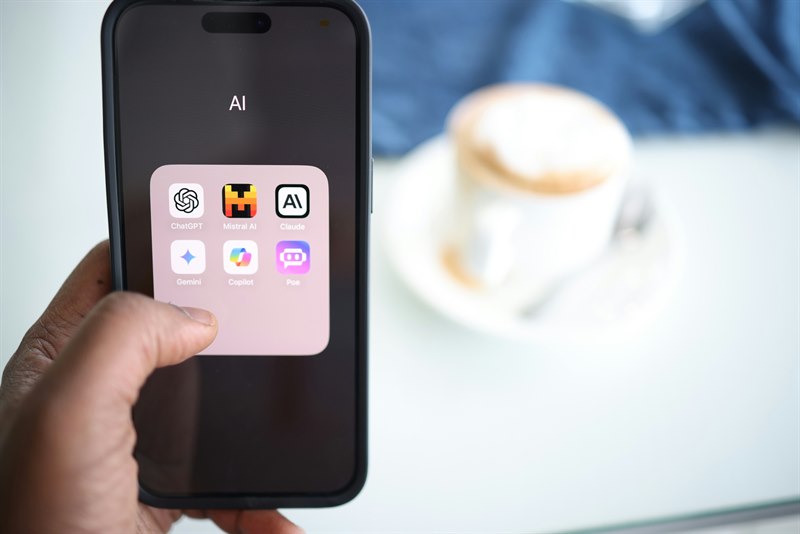
Using AI for mental health support needs to be done carefully. Nowadays, it is easy for anyone to turn to AI assistants such as Claude or ChatGPT to share worries and challenges. However, when used without professional guidance, these tools can easily become counterproductive or even harmful, pulling in incorrect or inappropriate information and delivering it as advice. It is essential for the individual to take these with a pinch of salt. And ideally, in the case of mental health, interaction with AI should be with professionally supervised and trained tools.
When it comes to data privacy, being open about it, clearly explaining what AI can and cannot do, and making it easy to connect with a human when needed are all essential. That also means ensuring that no data is logged on personal identifiers, so an employee never feels that a conversation about anxiety could follow them into their next performance review. To build trust, organizations should make these safeguards clear.
Trust comes from how AI is used, not just the technology itself. The organizations that get this right will use AI to make support more accessible, meeting employees where they are and when they need help most.
The future of supporting employee wellbeing is not just about people or just about technology. It is about combining both, so support is always available and responsive to real needs.
By making it easier to get help quickly, AI counselors are changing what support means in global organizations. Instead of adding to workplace anxiety, AI can become a proactive tool that helps people feel safe and supported, making sure help is truly there when it is needed most. In this way, AI can help set a new baseline for workplace wellbeing. Organizations should act now to make that support available.

Psychology Content Writer at Siffi
Morgane crafts compassionate, engaging content that makes mental health conversations more human and accessible. At Siffi, she combines storytelling with strategy to foster a culture of care and connection in the workplace.